Magic Mushrooms (Psilocybin Mushrooms)
Magic mushrooms, also called psilocybin mushrooms, continue to attract global attention for their cultural history and growing scientific interest. Researchers, historians, and policymakers across countries such as the United States, Canada, and Brazil actively study their properties and societal impact.
These fungi contain naturally occurring compounds—primarily psilocybin and psilocin—that interact with serotonin receptors in the brain. Because of this interaction, scientists explore how these compounds influence perception, cognition, and emotional processing.
What Are Psilocybin Mushrooms?
Psilocybin mushrooms belong to a diverse group of fungi species that grow in tropical and subtropical climates. For example, Psilocybe cubensis remains one of the most studied varieties due to its widespread distribution.
These mushrooms typically develop in humid environments such as Southeast Asia, Central America, and parts of Africa. Their appearance varies significantly, yet most share identifiable characteristics like small caps and slender stems.
Today, researchers focus on classification, chemical composition, and ecological roles rather than traditional assumptions.
Active Compounds and Their Effects
Psilocybin converts into psilocin in the human body. This process directly affects neurotransmitter activity, particularly serotonin pathways.
As a result, studies examine how these compounds alter sensory perception and mood. Researchers in the United Kingdom and Switzerland actively investigate these effects in controlled environments.
Importantly, scientists conduct these studies under strict supervision to ensure safety and accuracy. They avoid speculation and rely on measurable outcomes.
Historical and Cultural Significance
Indigenous communities have used psilocybin mushrooms for centuries in ceremonial and spiritual contexts. In Mexico, traditional practices still preserve this knowledge today.
Similarly, anthropologists document their role in rituals across South America, including regions of Peru and Brazil. These traditions emphasize structured, intentional use rather than casual consumption.
In contrast, modern societies approach psilocybin mushrooms through scientific and regulatory frameworks. This shift reflects changing global perspectives.
Legal Status Around the World
Laws regarding psilocybin mushrooms differ widely across countries. Therefore, understanding regional regulations remains essential.
- In Canada, authorities allow limited medical exemptions under controlled conditions
- In the Netherlands, specific truffle variants remain legal under regulated frameworks
- In Germany and France, strict prohibitions continue to apply
- In Australia, regulators permit restricted medical research use
- In Japan and South Korea, laws enforce complete prohibition
Because regulations evolve, individuals must verify current laws within their jurisdiction.
Scientific Research and Modern Studies
Research into psilocybin mushrooms has expanded significantly over the past decade. Universities in the United States and the United Kingdom lead many clinical trials.
Scientists currently study potential applications related to mental health conditions such as depression, anxiety, and PTSD. Early findings suggest possible effects on neural plasticity and cognitive flexibility.
However, researchers emphasize caution. They continue to test these hypotheses through peer-reviewed studies before making definitive claims.
Responsible and Informed Awareness
This content serves strictly educational purposes. It does not promote, encourage, or facilitate the use or sale of psilocybin mushrooms.
Readers should rely on verified research and consult qualified professionals when exploring scientific topics. In addition, they should always follow local laws and regulations.
Accurate information supports informed decisions and responsible discussions.
Showing all 9 results
-
Magic Mushrooms (Psilocybin Mushrooms)
BARE ONE UP
Price range: $7.00 through $10.00 Select options This product has multiple variants. The options may be chosen on the product page -
Magic Mushrooms (Psilocybin Mushrooms)
ONE UP CHOCOLATE
Original price was: $25.00.$20.00Current price is: $20.00. Add to cart -
Magic Mushrooms (Psilocybin Mushrooms)
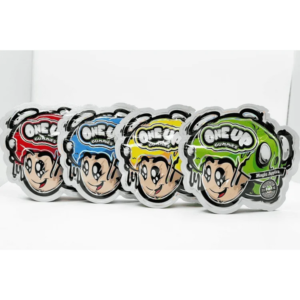
ONE UP GUMMIES
Original price was: $25.00.$20.00Current price is: $20.00. Add to cart -
Magic Mushrooms (Psilocybin Mushrooms)
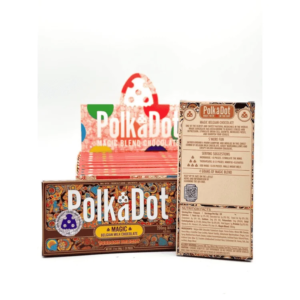
POLKA DOT CHOCOLATE (4G)
Original price was: $40.00.$35.00Current price is: $35.00. Add to cart -
Magic Mushrooms (Psilocybin Mushrooms)
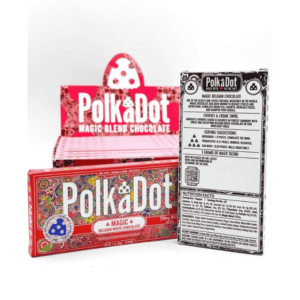
POLKA DOT CHOCOLATE (5G)
Original price was: $45.00.$35.00Current price is: $35.00. Add to cart -
Magic Mushrooms (Psilocybin Mushrooms)
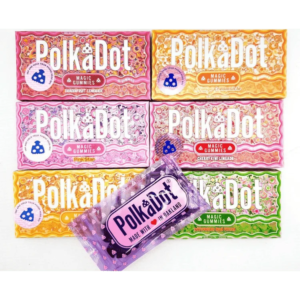
POLKA DOT GUMMIES (4G)
Original price was: $40.00.$35.00Current price is: $35.00. Add to cart -
Magic Mushrooms (Psilocybin Mushrooms)
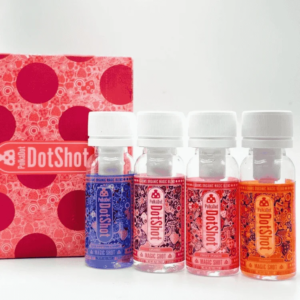
POLKA DOT SHOTS
Original price was: $40.00.$30.00Current price is: $30.00. Add to cart -
Magic Mushrooms (Psilocybin Mushrooms)
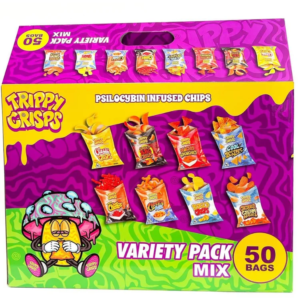
TRIPPY CRISPS
Price range: $2.00 through $2.50 Select options This product has multiple variants. The options may be chosen on the product page